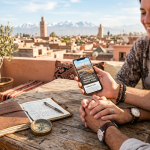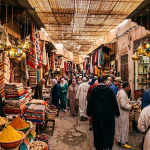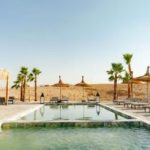
Stepping into the Red City feels like entering a vibrant, living tapestry of history and sensory wonder. You will find yourself surrounded by bustling souks, hidden palaces, and the aromatic scent of exotic spices. Planning your visit can feel overwhelming, but a well-structured marrakesh itinerary ensures you capture the true spirit of this Moroccan gem.
This guide provides a balanced 3-day schedule designed to help you navigate the winding medina streets with ease. Whether you crave historical landmarks or authentic culinary experiences, this plan covers the essentials. You will discover how to maximize your time while soaking in the unique local culture.
Prepare to wander through ancient gardens and enjoy sunset views from rooftop terraces. By following this carefully curated path, you will transform your short trip into an unforgettable adventure. Let us help you organize your perfect itinerary for your upcoming marrakesh getaway.
Key Takeaways
- Experience the perfect blend of historical sites and modern Moroccan culture.
- Navigate the complex medina layout with a clear, time-saving schedule.
- Discover the best spots for authentic local cuisine and traditional tea.
- Learn how to balance busy sightseeing with moments of relaxation.
- Maximize your limited time to see the most iconic landmarks efficiently.
Essential Marrakesh Travel Tips for Your First Visit
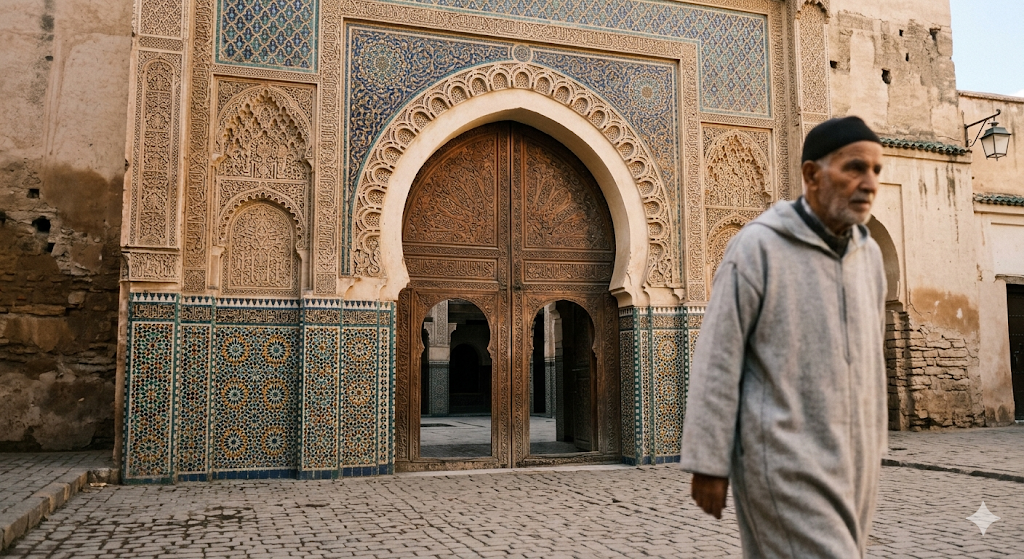
Before diving into the heart of Marrakesh, taking a moment to understand the local culture, best times to visit, and financial practices can significantly enhance your trip. As you prepare for your journey, being equipped with the right knowledge will make navigating this vibrant city a breeze.
Best Time of Year to Experience the Red City
Marrakesh, with its rich history and cultural heritage, is a year-round destination. However, the best time to visit depends on your preferences regarding weather and tourist season.
The spring (March to May) and autumn (September to November) are considered ideal due to their mild temperatures, making it perfect for exploring the city’s souks and historical landmarks.
Summer can be quite hot, with temperatures often reaching above 38°C (100°F), while winters are mild but can be cool in the evenings.
| Season | Weather | Tourist Season |
| Spring (March to May) | Mild temperatures | Peak tourist season |
| Summer (June to August) | Hot | Peak tourist season |
| Autumn (September to November) | Mild temperatures | Peak tourist season |
| Winter (December to February) | Cool | Low tourist season |
Navigating Local Customs and Cultural Etiquette
Understanding and respecting local customs is crucial when visiting Marrakesh.
The city is known for its conservative values, so dressing modestly is advised, especially when visiting mosques or rural areas.
When interacting with locals, a respectful greeting is appreciated; using ‘As-salamu alaykum’ (peace be upon you) can go a long way in making a good impression.
Understanding Currency and Tipping Practices
The official currency in Morocco is the Moroccan dirham (MAD).
While credit cards are accepted in many establishments, cash is still king, especially in traditional souks and from local vendors.
Tipping is customary in Marrakesh; it’s a way to show appreciation for good service. For restaurants and cafes, a tip of 10% is considered standard.
Tips for Tipping in Marrakesh:
- Restaurant staff: 10% of the total bill
- Tour guides: 50-100 MAD per day
- Hotel staff: 10-20 MAD per bag
By being mindful of these travel tips, you’ll be better prepared to navigate Marrakesh with confidence and respect for the local culture.
Day One: Immersing Yourself in the Heart of the Medina
As you step into Marrakesh, the vibrant heart of the Medina awaits you. Your first day is a journey through the city’s most iconic landmarks and bustling souks, immersing you in the rich cultural heritage of this ancient city.
Exploring the Architectural Grandeur of Koutoubia Mosque
The Koutoubia Mosque is a masterpiece of Almohad architecture and the largest mosque in Marrakesh. Its 70-meter minaret is not only a striking feature of the city’s skyline but also a symbol of the city’s rich history.
As you visit the mosque, take a moment to appreciate its intricate stone carvings and the serene atmosphere surrounding it. Although non-Muslims are not allowed inside, the exterior alone is worth the visit.
Navigating the Labyrinthine Souks of the Old City
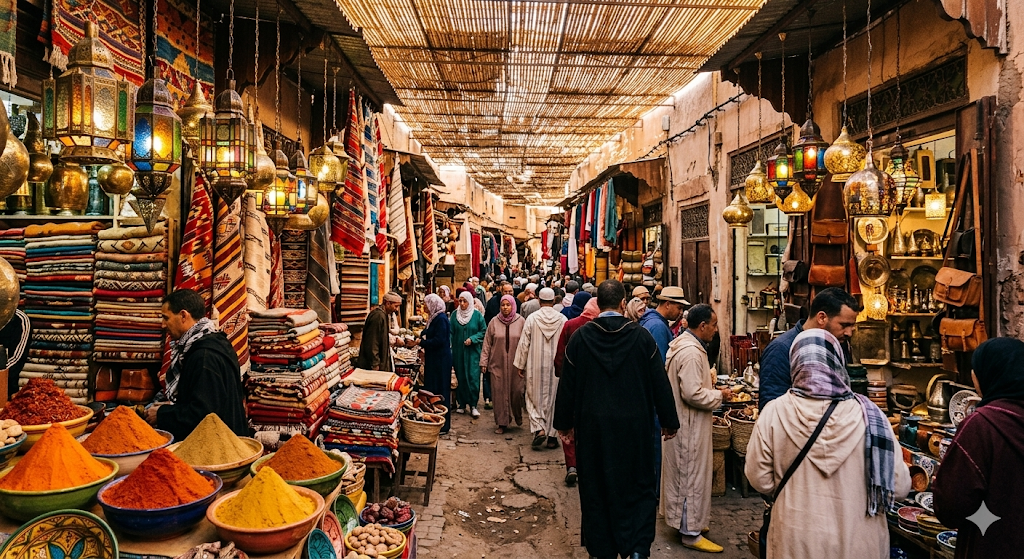
The souks of Marrakesh are a shopper’s paradise, offering a wide range of goods from spices and textiles to jewelry and handicrafts. To navigate these bustling markets, it’s essential to be prepared.
- Start early to avoid the crowds and heat.
- Bargain politely, as haggling is a part of the culture.
- Be aware of your surroundings and keep your belongings secure.
Sunset Views at Jemaa el-Fnaa Square
Jemaa el-Fnaa Square is the heart of Marrakesh’s social and cultural life. As the day progresses towards sunset, the square transforms into a vibrant spectacle of music, dance, and street food.
To make the most of your visit:
- Arrive early to secure a good spot.
- Try some of the local street food, but ensure it’s from a reputable vendor.
- Enjoy the diverse performances, from snake charmers to musicians.
As the sun dips below the horizon, Jemaa el-Fnaa takes on a magical quality, making it a truly unforgettable experience.
Day Two: Palaces, Gardens, and Artistic Heritage
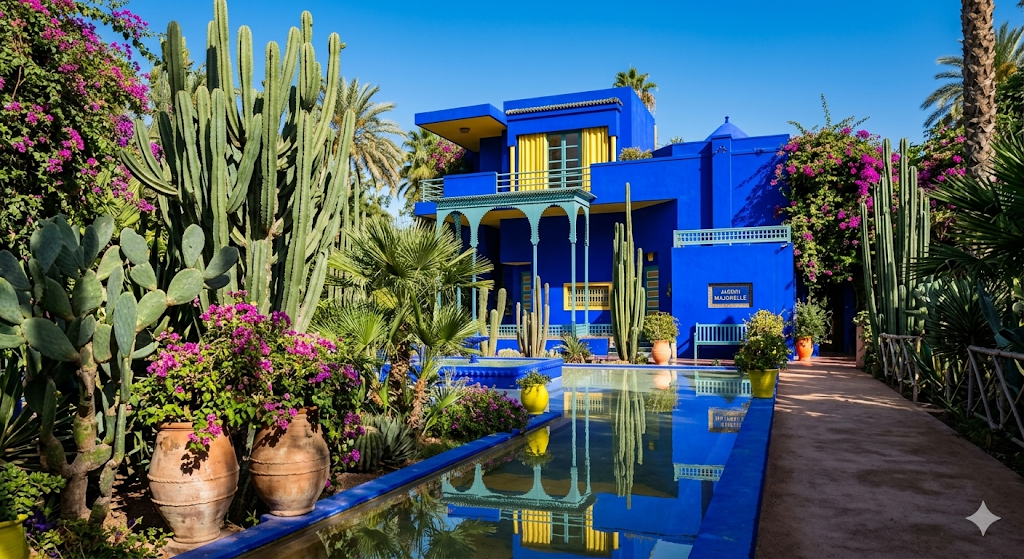
On your second day in Marrakesh, you’ll have the opportunity to explore some of the city’s most stunning palaces, gardens, and museums. This day is dedicated to uncovering the rich cultural and artistic heritage that makes Marrakesh a unique destination.
Discovering the Intricate Details of Bahia Palace
The Bahia Palace is a masterpiece of Moroccan craftsmanship and architecture. Built in the late 19th century, this palace showcases the finest examples of Islamic art and the skilled craftsmanship of Moroccan artisans. As you wander through its tranquil courtyards and intricately decorated rooms, you’ll gain insight into the lives of the craftsmen and nobles who once inhabited this grand residence.
Some of the notable features of the Bahia Palace include its beautiful tile work, carved wood, and stucco ceilings. The palace was designed to be a luxurious home, with intricate details that reflect the wealth and status of its former occupants.
| Feature | Description |
| Tiles | Intricate zellij tile work adorning the walls and floors |
| Carved Wood | Exquisite cedar wood carvings on ceilings and doorways |
| Stucco Ceilings | Delicate stucco work on the ceilings, adding to the palace’s grandeur |
Finding Serenity at the Majorelle Garden
After exploring the Bahia Palace, a visit to the Majorelle Garden offers a serene escape from the bustling city. This beautiful garden, created by French artist Jacques Majorelle and later restored by Yves Saint Laurent, is a haven of tranquility. The garden is home to a stunning collection of plants and art from around the world, making it one of the best things to do in Marrakesh for nature lovers and art enthusiasts alike.
As you stroll through the garden, you’ll be surrounded by vibrant colors and soothing sounds, creating a peaceful atmosphere that’s perfect for relaxation.
Learning About Moroccan History at the Dar Si Said Museum
The Dar Si Said Museum is another significant cultural landmark in Marrakesh, offering insights into the country’s rich history and artistic heritage. The museum houses an impressive collection of Moroccan arts and crafts, including jewelry, textiles, and woodwork.
By visiting the Dar Si Said Museum, you’ll gain a deeper understanding of Moroccan culture and history, making it an enriching addition to your Marrakesh itinerary.
Day Three: Beyond the City Walls and Relaxation
As you enter your third day in Marrakesh, it’s time to venture beyond the city walls and discover the tranquility that awaits. Your three-day Marrakesh itinerary is designed to balance exploration with relaxation, and today is all about unwinding.
A Morning Escape to the Menara Gardens
Begin your day with a visit to the Menara Gardens, a serene olive grove set against the backdrop of the Atlas Mountains. This historic garden, dating back to the 12th century, is a perfect spot for a leisurely stroll. As you walk through the olive trees, take in the tranquil atmosphere and enjoy the views of the surrounding landscape.
Experiencing a Traditional Moroccan Hammam
After your visit to the Menara Gardens, treat yourself to a traditional Moroccan hammam experience. A hammam is more than just a spa day; it’s a cultural ritual that involves steam bathing, exfoliation, and relaxation. As one traveler noted,
“The hammam experience was a highlight of my trip to Marrakesh. It was the perfect way to rejuvenate and unwind.”
Let the skilled therapists guide you through this rejuvenating experience, leaving you feeling refreshed and revitalized.
Shopping for Artisanal Treasures in Gueliz
In the afternoon, head to Gueliz, Marrakesh’s modern town center, where you can indulge in some retail therapy. Gueliz is known for its chic boutiques, art galleries, and local artisan shops. You can find unique souvenirs, from handmade jewelry to traditional crafts. Take your time to explore the various shops and discover the artisanal treasures that Marrakesh has to offer.
The Ultimate Marrakesh Itinerary 3 Days: A Strategic Overview
A well-planned 3-day itinerary is the key to unlocking the best experiences Marrakesh has to offer. With its vibrant souks, historical landmarks, and cultural richness, Marrakesh can be overwhelming to navigate, especially within a short timeframe.
To make the most out of your trip, it’s essential to strike a balance between exploring the city’s attractions and enjoying some well-deserved relaxation. Here’s how you can achieve that balance and optimize your daily route for maximum efficiency.
How to Balance Sightseeing with Downtime
Balancing sightseeing with downtime is crucial to avoid exhaustion and truly enjoy the Marrakesh experience. Start by prioritizing the attractions and activities that are most important to you.
- Identify must-visit places like Jemaa el-Fnaa, Koutoubia Mosque, and Bahia Palace.
- Allocate specific times for sightseeing and stick to your plan to avoid overexertion.
- Include relaxation periods in your itinerary, such as a leisurely stroll in the Majorelle Garden or a rejuvenating Hammam experience.
By doing so, you’ll be able to appreciate the beauty of Marrakesh without feeling rushed or tired.
Optimizing Your Daily Route to Save Time
Optimizing your daily route can significantly enhance your Marrakesh experience. Consider the following tips to save time and energy:
| Tip | Description | Benefit |
| Group nearby attractions | Visit places that are close to each other in one go. | Reduces travel time between locations. |
| Use local transportation | Opt for petit taxis or guided tours for longer distances. | Saves time and provides local insights. |
| Avoid peak hours | Plan your visits during early morning or late afternoon. | Less crowded souks and attractions. |
By implementing these strategies, you can enjoy a more streamlined and enjoyable trip to Marrakesh, making the most out of your 3-day itinerary.
Top Attractions Marrakesh Travelers Cannot Miss
As you plan your 3-day trip to Marrakesh, it’s essential to know the top attractions that make this city unforgettable. Marrakesh is a city that seamlessly blends tradition with modernity, offering a plethora of experiences that cater to all kinds of travelers.
Historical Landmarks Worth the Entry Fee
Marrakesh is home to numerous historical landmarks that are not only significant culturally but also architecturally stunning. One such landmark is the Koutoubia Mosque, known for its impressive minaret that dominates the city’s skyline.
Another must-visit is the Bahia Palace, a masterpiece of Islamic craftsmanship that showcases the finest examples of Moroccan architecture. The intricate details and craftsmanship on display here are truly awe-inspiring.
| Landmark | Entry Fee | Highlights |
| Koutoubia Mosque | Free | Iconic minaret, beautiful gardens |
| Bahia Palace | Approximately $3 | Intricate craftsmanship, Islamic art |
| Dar Si Said Museum | Approximately $3 | Moroccan history, cultural artifacts |
Hidden Gems Tucked Away in the Medina
Beyond the popular landmarks, Marrakesh’s medina is filled with hidden gems waiting to be discovered. One such gem is the Le Jardin Secret, a beautifully restored riad garden that offers a serene escape from the bustling streets.
“The riads of Marrakesh are not just houses; they are works of art that reflect the soul of Moroccan architecture.”
– A Marrakesh local
Another lesser-known attraction is the Musée de Marrakech, located in a 19th-century palace. It houses a collection of art and artifacts that tell the story of Marrakesh’s rich history.
- Explore the narrow alleys of the medina to discover unique riads.
- Visit local artisans to witness traditional craftsmanship.
- Enjoy a traditional Moroccan meal at a local riad.
Best Things to Do in Marrakesh for Food Lovers
As you wander through Marrakesh, you’ll discover a world of culinary delights that reflect the city’s rich cultural heritage. The city’s cuisine is a vibrant tapestry of flavors, aromas, and textures, influenced by its strategic location at the crossroads of Africa, Europe, and the Middle East.
Sampling Authentic Street Food in the Medina
Marrakesh’s medina is a food lover’s paradise, with its bustling streets lined with vendors selling everything from traditional snacks to fresh produce. Be sure to try some of the local specialties like msemen (square-shaped pancakes), khobz (traditional bread), and zlabia (deep-fried doughnuts).
As you explore the medina, you’ll encounter numerous street food stalls and markets where you can sample a variety of dishes. Don’t be afraid to try new flavors and ingredients – it’s all part of the Marrakesh culinary experience.
Dining Experiences at Traditional Riads
For a more intimate and luxurious dining experience, consider visiting one of Marrakesh’s many traditional riads. These beautifully restored houses often feature stunning architecture, serene gardens, and exquisite cuisine. Many riads offer dinner experiences that showcase the best of Moroccan cuisine, using locally sourced ingredients and traditional cooking techniques.
Some popular riads also offer cooking classes, where you can learn the secrets of Moroccan cuisine from experienced chefs. This is a great way to immerse yourself in the local culture and take home some new culinary skills.
Taking a Moroccan Cooking Class
To truly experience the flavors of Marrakesh, consider taking a Moroccan cooking class. These classes typically cover a range of topics, from traditional cooking techniques to the preparation of local specialties. You’ll have the opportunity to learn from experienced chefs and take home your own creations.
Cooking classes are available in various formats, from group sessions to private lessons. Some classes also include visits to local markets and ingredient sourcing, providing a comprehensive culinary experience.
Navigating Transportation and Getting Around
As you plan your Marrakesh 3-day itinerary, understanding the transportation options available is crucial for a smooth trip. Marrakesh is a vibrant city with a lot to offer, and getting around efficiently will help you make the most of your time.
“The medina is a labyrinth, and navigating it can be challenging, but with the right transportation, you’ll be able to explore its depths with ease,” notes a seasoned traveler. The city offers various transportation methods, including Petit Taxis, Grand Taxis, and walking.
Using Petit Taxis Versus Grand Taxis
When it comes to taxis, Marrakesh has two main types: Petit Taxis and Grand Taxis. Petit Taxis are smaller vehicles that operate within the city limits, using a metered system to calculate fares. They are generally more affordable and convenient for shorter distances.
Grand Taxis, on the other hand, are larger vehicles that can be used for longer trips or for traveling with a group. They do not use meters, so it’s essential to agree on the fare before you start your journey.
For a marrakesh itinerary 3 days, using a combination of Petit Taxis for shorter trips and Grand Taxis for longer or group travels can be an efficient way to get around.
Walking Tips for the Narrow Medina Streets
Walking is another excellent way to explore Marrakesh, especially within the medina. The narrow streets are filled with sights, sounds, and smells that are quintessentially Marrakesh. However, the medina can be labyrinthine and crowded, so it’s helpful to have a few tips:
- Wear comfortable shoes suitable for walking.
- Bring a map or use a GPS device to help navigate.
- Be prepared for crowds and narrow alleys.
- Take time to explore side streets and alleys for hidden gems.
As one traveler put it, “Walking through the medina is like stepping into a different world. The experience is sensory and unforgettable.”
Where to Stay for the Best Experience
Choosing the right accommodation in Marrakesh can significantly enhance your travel experience. Marrakesh offers a diverse range of lodging options, from historic riads to modern hotels, each providing a unique experience.
Historic Riads Versus Modern Hotels
When deciding where to stay, one of the primary considerations is whether to opt for a historic riad or a modern hotel. Historic riads offer a traditional Moroccan experience, with their intricate architecture and serene interior gardens. They are typically located within the Medina, providing easy access to major attractions.
On the other hand, modern hotels offer comfort and amenities such as pools and spas, often with a more straightforward, contemporary design.
| Feature | Historic Riads | Modern Hotels |
| Location | Typically within the Medina | Various locations, including outside the Medina |
| Architecture | Traditional Moroccan, intricate | Modern, contemporary design |
| Amenities | Often more limited, but with a unique charm | Pools, spas, gyms, and more |
Neighborhoods for Every Traveler
The neighborhood you choose to stay in can greatly impact your experience. For those looking to be in the heart of the action, the Medina is ideal, with its vibrant souks and easy access to major landmarks like Jemaa el-Fnaa.
For a more relaxed atmosphere, neighborhoods like Gueliz offer a blend of modern amenities and cultural experiences.
When choosing your accommodation, consider what matters most to you: proximity to attractions, the type of amenities, or the overall ambiance. Marrakesh has something to offer for every kind of traveler, making it a versatile destination as outlined in any comprehensive morocco travel guide.
Staying Safe and Healthy During Your Trip
As you prepare for your trip to Marrakesh, one of the top attractions Marrakesh has to offer, it’s essential to consider your health and safety. Marrakesh, known for its vibrant culture and historical landmarks, also requires visitors to be mindful of their surroundings and take necessary precautions.
To ensure a smooth and enjoyable journey, it’s crucial to be aware of the potential health and safety risks associated with traveling to Marrakesh. By understanding these risks and taking the right precautions, you can minimize your exposure to health and safety issues and focus on enjoying the top attractions Marrakesh has to offer.
Drinking Water and Food Safety Guidelines
Staying hydrated is vital, especially when exploring the bustling streets of Marrakesh. However, it’s recommended to drink bottled or filtered water to avoid any potential health issues. Tap water, although improving in quality, is generally not considered safe for drinking by tourists.
When it comes to food, Marrakesh offers a rich culinary experience. To enjoy the local cuisine safely, opt for restaurants and food stalls that are popular with locals and have a high turnover of customers. This reduces the risk of food being left out for too long. Be cautious with raw or undercooked foods, and avoid consuming unpeeled fruits and vegetables.
Handling Common Tourist Scams and How to Avoid Them
Like many popular tourist destinations, Marrakesh is not immune to scams targeting visitors. Being aware of common scams can help you avoid them. One common scam involves overly friendly locals who offer to guide you through the medina or to specific attractions. While some guides are genuine, others might be looking to overcharge or scam you.
To avoid such situations, it’s advisable to agree on prices before you start your tour and to use licensed guides. Additionally, be wary of anyone who approaches you with unsolicited offers or advice. Using reputable taxi services and being cautious when using ATMs can also help minimize your risk of being scammed.
By being informed and taking the necessary precautions, you can have a safe and enjoyable trip to Marrakesh, taking in all the top attractions Marrakesh has to offer without undue worry about your health and safety.
Packing Essentials for Your Moroccan Adventure
Packing for Marrakesh requires a thoughtful approach to ensure you’re prepared for the local culture and climate. As you get ready to explore one of Morocco’s vibrant cities, it’s crucial to consider what to wear and what to bring along.
Dressing Appropriately for Local Culture
Morocco is a conservative country, and dressing modestly is a sign of respect for the local culture. For both men and women, it’s advisable to cover your shoulders and knees. Loose-fitting clothing made from breathable fabrics like cotton or linen is recommended, especially for the warm days. When visiting mosques or rural areas, women may want to consider bringing a scarf to cover their hair as a gesture of respect.
Understanding the local dress code not only helps you blend in but also enhances your experience by showing respect for the traditions. You’ll find that being mindful of your attire can lead to more positive interactions with the locals.
Must-Have Items for Your Day Bag
When exploring Marrakesh, having the right items in your day bag can make a significant difference. Here are some essentials to consider:
| Item | Description |
| Reusable Water Bottle | Stay hydrated with a refillable water bottle, especially during your explorations of the Medina. |
| Sunscreen and Sun Hat | Protect yourself from the sun with SPF 30 or higher sunscreen and a hat. |
| Comfortable Shoes | Good quality walking shoes are a must for navigating the cobblestone streets. |
| Power Adapter | Morocco uses Type C and E power sockets, different from those in the US. |
By packing these essentials, you’ll be well-prepared to enjoy the best things to do in Marrakesh, from exploring the souks to relaxing in a traditional riad.
Conclusion
As you conclude your virtual journey through Marrakesh with our comprehensive morocco travel guide, the vibrant spirit of this ancient city is sure to linger. With a well-crafted marrakesh itinerary 3 days, you’re poised to immerse yourself in the rich cultural heritage and breathtaking beauty that Marrakesh has to offer.
From the majestic Koutoubia Mosque to the serene Majorelle Garden, and from the bustling Jemaa el-Fnaa Square to the tranquil Menara Gardens, every moment in Marrakesh is an opportunity to create unforgettable memories. By following our marrakesh travel tips, you’ll be well-equipped to navigate the city’s labyrinthine souks, indulge in local cuisine, and soak up the unique atmosphere.
As you start planning your trip, remember to balance sightseeing with downtime, allowing yourself to fully absorb the essence of this captivating city. With this morocco travel guide, you’re ready to embark on an adventure that will leave you enchanted and inspired.
FAQ
Is a marrakesh itinerary 3 days long enough to see the major sights?
Absolutely. A three day marrakesh itinerary is the perfect duration to capture the essence of the Red City. It allows you enough time to explore the historic Medina, visit iconic landmarks like the Saadian Tombs, and even find time for a traditional spa experience at Hammam de la Rose without feeling overly rushed.
What are the top attractions marrakesh visitors should prioritize?
Your marrakesh sightseeing guide should definitely include the architectural masterpiece of Bahia Palace, the vibrant Majorelle Garden (once owned by Yves Saint Laurent), and the bustling Jemaa el-Fnaa square. For a deeper look into history, the Ben Youssef Madrasa offers some of the most stunning Islamic architecture in the world.
What should I include in my marrakesh travel tips for packing?
When preparing for your 3 day trip marrakesh, you should prioritize modest clothing that covers your shoulders and knees to respect local customs. Pack breathable fabrics like linen, comfortable walking shoes for the uneven streets of the Old City, and a reusable water bottle. Don’t forget an offline map app like Google Maps to help navigate the winding alleys.
What are the best things to do in marrakesh for food enthusiasts?
For an authentic taste of Morocco, you should head to Nomad or Le Jardin for contemporary Moroccan cuisine. If you want a hands-on experience, booking a cooking class at La Maison Arabe is one of the best things to do in marrakesh. Additionally, sampling street food like Tanjia or fresh orange juice in the main square is a must-do for any foodie.
How can a marrakesh itinerary planner help me save time?
A well-structured marrakesh itinerary planner helps you group attractions by location. For example, you can visit the Koutoubia Mosque and Jemaa el-Fnaa together, while saving the Gueliz district and Majorelle Garden for a separate afternoon. This prevents you from crisscrossing the city and helps you avoid the midday heat.
Is it safe to drink the tap water according to your morocco travel guide?
It is generally recommended that you stick to bottled water or use a filtration bottle during your stay. To stay healthy, you should also ensure that the street food you consume is cooked fresh in front of you at busy stalls, which is a standard recommendation in any morocco travel guide.
What is the best way to get around during my 3 day trip marrakesh?
Within the Medina, walking is your best and often only option due to the narrow streets. For longer distances to places like the Menara Gardens, you should use “Petit Taxis” (small tan-colored cars). Always ensure the driver turns on the meter or agree on a price before you start your journey to ensure a fair rate.