Stepping into the heart of Morocco feels like walking directly into a vibrant, living painting. The air carries the scent of exotic spices, while the sounds of bustling souks create a rhythm you will never forget. If you are planning your next big adventure, a marrakesh itinerary 5 days long is the perfect way to soak in the local culture.
This guide helps you navigate the winding alleys of the Medina and find the most breathtaking hidden gardens. You will discover where to find the best mint tea and how to escape the midday heat in style. We have crafted this plan to ensure you see the iconic landmarks without feeling rushed or overwhelmed.
Get ready to explore ancient palaces and modern boutiques in one seamless trip. Your journey through this desert jewel starts right here, and we are thrilled to help you make the most of every single moment.
Key Takeaways
- Experience the perfect balance of historic sightseeing and relaxing downtime.
- Navigate the famous souks like a local with our expert navigation tips.
- Discover the best spots for authentic Moroccan cuisine and rooftop views.
- Maximize your time with a logical flow that minimizes travel fatigue.
- Learn essential cultural etiquette to ensure a respectful and smooth visit.
Essential Preparation for Your Marrakesh Adventure
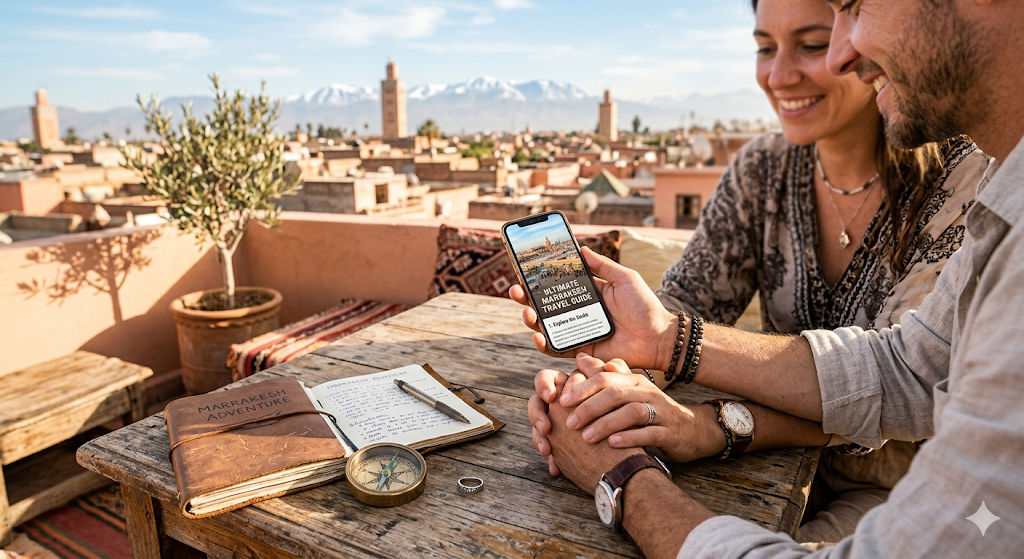
As you prepare for your Marrakesh adventure, understanding the essentials can make all the difference in your travel experience. Marrakesh, known for its vibrant culture and rich history, is a city that can be both exhilarating and challenging for travelers. To ensure a smooth and enjoyable trip, it’s crucial to be well-prepared.
Best Time to Visit and Weather Expectations
Marrakesh is a year-round destination, but the best time to visit depends on your weather preferences. The city experiences a desert climate, characterized by hot summers and mild winters.
- Spring (March to May): Pleasant temperatures, averaging 25°C (77°F), making it ideal for exploring.
- Autumn (September to November): Comfortable temperatures, around 25°C (77°F), perfect for enjoying the outdoors.
- Summer (June to August): Extremely hot, with temperatures often reaching 38°C (100°F) or higher.
- Winter (December to February): Mild, with average temperatures around 12°C (54°F), but can be cool in the evenings.
Navigating Transportation and Airport Transfers
Marrakesh Menara Airport is the primary entry point for most travelers. Getting to your accommodation can be straightforward with the right information.
Options for Airport Transfers:
- Private Transfers: Convenient and direct, available at the airport.
- Taxis: Readily available outside the airport terminals. Ensure you agree on the fare before you start your journey.
- Public Transport: Buses and trains connect the airport to the city, offering an affordable option.
Cultural Etiquette and Local Customs
Understanding and respecting local customs can significantly enhance your Marrakesh experience. Morocco is a conservative country with its own set of etiquette rules.
Key Cultural Practices to Keep in Mind:
- Dress modestly, covering your shoulders and knees, especially when visiting mosques or rural areas.
- Use your right hand when giving or receiving something, as the left hand is considered unclean.
- Respect for elders is deeply ingrained; greet them first and show deference.
Day One: Diving Into the Heart of the Medina
As you step into Marrakesh, the vibrant energy of the Medina beckons you to explore its ancient streets and bustling squares. The Medina is the heart and soul of Marrakesh, a place where tradition and modernity blend seamlessly. It’s a maze of narrow alleys, vibrant markets, and historic landmarks that promise an unforgettable experience.
Exploring Jemaa el-Fnaa Square
Your day begins at Jemaa el-Fnaa Square, a UNESCO World Heritage site and one of the top things to do in Marrakesh. This bustling square is a kaleidoscope of colors, sounds, and aromas. By day, it’s a hub of activity with snake charmers, street performers, and vendors selling fresh orange juice and traditional medicines. As the sun sets, the square transforms into a giant food market with stalls serving local delicacies like grilled meats and traditional Moroccan dishes.
“Jemaa el-Fnaa is a stage for the city’s vibrant culture, where the air is filled with the scent of spices and the sound of laughter and music.”
Wandering the Labyrinthine Souks
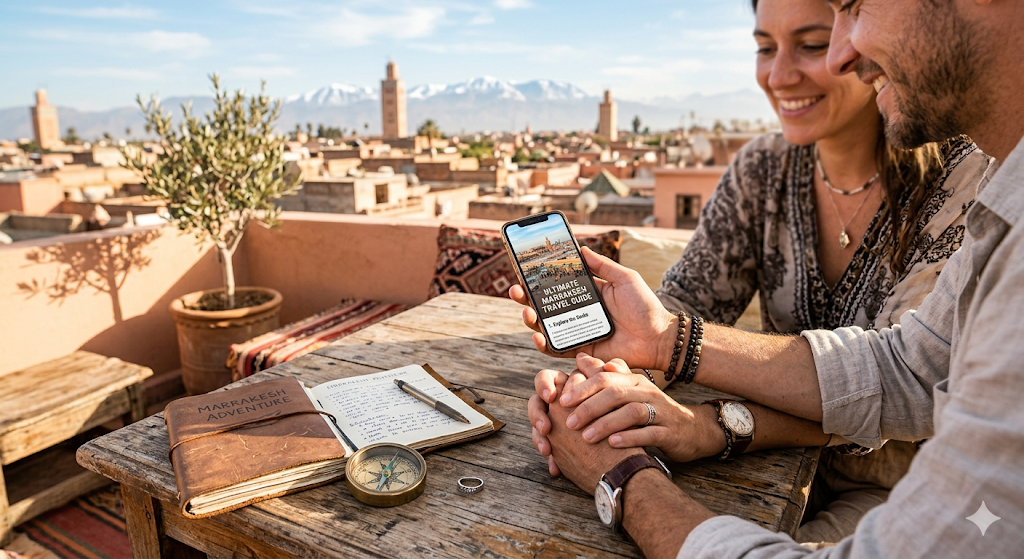
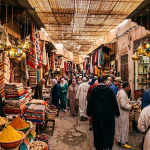
After experiencing the energy of Jemaa el-Fnaa, take a stroll through the labyrinthine souks that surround the square. The souks are a shopper’s paradise, offering everything from intricately crafted leather goods to vibrant textiles and precious jewelry. As you wander through the narrow alleys, you’ll discover hidden gems and be tempted by the warm hospitality of the vendors.
- Explore the Souk Semmarine for aromatic spices and perfumes.
- Visit the Souk des Tapisseries for exquisite handwoven carpets.
- Browse the stalls in Souk el Attarine for traditional crafts.
Evening Dining at Traditional Rooftop Restaurants
As the day comes to a close, enjoy a traditional Moroccan dinner at one of the many rooftop restaurants overlooking the Medina. Savor local specialties like tagine and couscous while taking in the breathtaking views of the city as the stars begin to twinkle. It’s a truly magical experience that will leave you enchanted with Marrakesh.
“The rooftop restaurants of Marrakesh offer not just a meal, but a panoramic view of the city’s ancient beauty and vibrant life.”
Day Two: Architectural Wonders and Royal History
On your second day in Marrakesh, you’ll uncover the city’s rich architectural heritage and royal history. Marrakesh is a city that seamlessly blends its rich past with the vibrancy of the present, and today’s destinations are a testament to its historical grandeur.
Marveling at the Koutoubia Mosque
Your day begins with a visit to the Koutoubia Mosque, the largest mosque in Marrakesh and a symbol of the city’s spiritual heart. This magnificent structure, built in the 12th century, stands over 69 meters tall and is a masterpiece of Almohad architecture. As you admire its grandeur, you’ll understand why it’s considered one of the most important marrakesh attractions. The mosque’s minaret, adorned with intricate stonework and traditional Moroccan craftsmanship, is a sight to behold.
“The Koutoubia Mosque is not just a religious site; it’s a beacon of the city’s history and architectural prowess,” notes a local historian. This sentiment is echoed by the mosque’s enduring presence in the heart of Marrakesh.
Touring the Opulent Bahia Palace
After visiting the Koutoubia Mosque, you’ll head to the Bahia Palace, a 19th-century palace that exemplifies the finest craftsmanship of Moroccan artisans. The palace was built for the Grand Vizier Bou Ahmad, who spared no expense in creating a residence that would surpass all others in beauty and luxury. As you wander through its halls and chambers, you’ll be struck by the intricate tile work, carved wood, and other decorative elements that make this palace a standout among Marrakesh’s historical sites.
- Intricate zellij tile work adorning the walls and floors
- Exquisite cedar wood carvings in the ceilings and doorways
- Beautiful gardens providing a serene oasis within the palace
Discovering the Saadian Tombs
Your final destination for the day is the Saadian Tombs, a historic site that was lost to the sands of time until its rediscovery in 1917. These tombs are the final resting place of Sultan Ahmad al-Mansur and his family, and they represent some of the most impressive examples of Moroccan architecture from the Saadian dynasty. The tombs are renowned for their stunning tile work, marble columns, and the tranquil courtyard that offers a poignant contrast to the bustling streets of Marrakesh.
As the day comes to a close, you’ll have a deeper appreciation for Marrakesh’s architectural wonders and royal history, making your second day in this captivating city truly unforgettable.
Day Three: Artistic Escapes and Botanical Beauty
Day three in Marrakesh is a day to unwind and indulge in the city’s artistic escapes and botanical beauty. As you explore these serene destinations, you’ll experience the perfect blend of culture, art, and nature that Marrakesh is known for.
Finding Serenity at Jardin Majorelle
Begin your day with a visit to the breathtaking Jardin Majorelle, a botanical garden created by French artist Jacques Majorelle in the 1920s. This vibrant oasis is a must-visit for its stunning architecture, beautiful gardens, and tranquil atmosphere. As you stroll through the gardens, you’ll be surrounded by an array of exotic plants and striking blue buildings.
Visiting the Yves Saint Laurent Museum
Adjacent to Jardin Majorelle is the Yves Saint Laurent Museum, dedicated to the life and work of the renowned fashion designer. The museum showcases an extensive collection of YSL’s designs, offering insights into his inspirations and creative process. This visit is a treat for fashion enthusiasts and those interested in the intersection of art and culture.
The museum not only highlights YSL’s contributions to fashion but also his connection to Marrakesh, which significantly influenced his work. As you explore the exhibits, you’ll gain a deeper understanding of how the city’s vibrant culture and landscapes inspired one of the most iconic designers of the 20th century.
Relaxing in the Menara Gardens
After immersing yourself in art and culture, head to the Menara Gardens, a historic olive grove with stunning views of the Atlas Mountains. This peaceful retreat offers a serene escape from the bustling city, allowing you to relax and rejuvenate. Take a leisurely walk around the gardens and enjoy the picturesque scenery.
The Menara Gardens are not only a beautiful spot for relaxation but also a significant historical site, reflecting Marrakesh’s rich cultural heritage. As the day comes to a close, you’ll appreciate the tranquility and beauty of these artistic escapes and botanical wonders, making for a truly unforgettable day in Marrakesh.
Day Four: A Day Trip to the Atlas Mountains
On the fourth day of your 5-day Marrakesh trip plan, a day trip to the Atlas Mountains offers a refreshing escape into nature. The Atlas Mountains are a haven for those looking to experience the authentic beauty and culture of Morocco beyond the bustling streets of Marrakesh.
Choosing Your Mountain Excursion
There are several options for exploring the Atlas Mountains, each offering a unique experience. You can choose from guided tours that range from hiking and trekking to visiting traditional Berber villages. Some popular destinations include:
- The picturesque village of Imlil, a great starting point for hikes
- The stunning Ourika Valley, known for its beautiful landscapes and waterfalls
- The historic village of Tin Mal, with its ancient mosque and panoramic views
Experiencing Berber Village Hospitality
A visit to a Berber village is a highlight of any Atlas Mountains trip. You’ll have the opportunity to experience the warm hospitality of the Berber people, learn about their customs, and enjoy traditional cuisine. Many tours include a home-cooked meal with a local family, offering a genuine insight into Berber culture.
Scenic Hiking and Waterfall Views
The Atlas Mountains are a paradise for hikers, with trails that cater to all levels of experience. You can hike to the Setti Fatma waterfalls, explore the scenic valleys, or simply enjoy the breathtaking views from a mountain peak. The natural beauty of the Atlas Mountains provides a serene contrast to the vibrant energy of Marrakesh.
As you plan your day trip, consider the time of year and your physical abilities to choose the most suitable excursion. With its diverse landscapes and rich cultural heritage, the Atlas Mountains are an unforgettable addition to your 5-day Marrakesh itinerary.
Day Five: Relaxation and Authentic Moroccan Experiences
As you enter the final day of your Marrakesh adventure, it’s time to unwind and soak in the authentic Moroccan experiences. After days of exploring the vibrant souks, historical landmarks, and natural beauty, your fifth day is dedicated to relaxation and immersion in local culture.
Indulging in a Traditional Hammam Spa Day
Begin your day with a rejuvenating visit to a traditional Hammam spa. A Hammam is a Moroccan steam bath that combines heat, steam, and gentle scrubbing to cleanse and relax the body. You’ll feel refreshed and revitalized as you enjoy this authentic Moroccan experience.
During your Hammam visit, expect:
- A warm welcome and a thorough scrub to exfoliate your skin
- A soothing massage to ease any tension
- A relaxing steam bath to calm your mind and body
Participating in a Moroccan Cooking Class
After your spa day, engage in a Moroccan cooking class where you’ll learn to prepare traditional dishes. Moroccan cuisine is a rich blend of Arab, Mediterranean, and Berber influences, and a cooking class is a great way to take a piece of Morocco back home with you.
In your cooking class, you’ll discover:
| Dish | Main Ingredients | Cooking Technique |
| Tagine | Meat, dried fruits, spices | Slow-cooking in a clay pot |
| Couscous | Semolina flour, vegetables, meat or fish | Steaming |
| Pastilla | Meat, onions, spices, pastry | Layering and baking |
Final Souvenir Shopping and Farewell Dinner
For your last evening, revisit your favorite souks for some final souvenir shopping. Look for unique handicrafts, colorful textiles, and aromatic spices to bring back memories of your Marrakesh adventure.
“The souks of Marrakesh are a treasure trove of exotic delights, where the air is thick with the scent of spices and the sound of haggling merchants.”
Conclude your trip with a farewell dinner at a rooftop restaurant, enjoying the panoramic views of the city as the sun sets. Savor local delicacies and reflect on the unforgettable experiences you’ve had during your Marrakesh journey.
Your Comprehensive Marrakesh Itinerary 5 Days Guide
As you prepare for your Marrakesh adventure, having a comprehensive guide can make all the difference in your travel experience. This section is designed to provide you with practical advice on accommodations, dining, and safety, ensuring that your trip is both enjoyable and stress-free.
Where to Stay for Every Budget
Marrakesh offers a wide range of accommodations to suit every budget. From luxurious riads to budget-friendly guesthouses, you can find the perfect place to stay.
For luxury travelers, riads like Riad Yacout and Ksar Charme offer opulent accommodations with traditional Moroccan architecture. For mid-range budgets, hotels such as Hotel Sofitel Marrakech Palais Imperial provide comfort and service at a reasonable price. Budget travelers can opt for hostels like Camping de l’Ourika or guesthouses that offer an authentic local experience.
| Budget Category | Accommodation Type | Example |
| Luxury | Riad | Riad Yacout |
| Mid-range | Hotel | Hotel Sofitel Marrakech Palais Imperial |
| Budget | Hostel/Guesthouse | Camping de l’Ourika |
Must-Try Moroccan Dishes and Street Food
Moroccan cuisine is a delicious blend of Arabic, Mediterranean, and African flavors. When in Marrakesh, be sure to try some of the local specialties.
Some must-try dishes include tagine, a slow-cooked stew named after the earthenware pot in which it is cooked, and couscous, a traditional North African dish made from semolina flour. Street food is also a big part of the Marrakesh experience, with popular items like grilled meats and fresh fruit juices.
- Tagine
- Couscous
- Grilled meats
- Fresh fruit juices
Safety Tips for Solo and Group Travelers
Marrakesh is generally a safe city for tourists, but as with any travel destination, it’s essential to take certain precautions.
For solo travelers, it’s advisable to stay in well-lit and populated areas, especially at night. Avoid displaying signs of wealth (like expensive jewelry or watches) and be mindful of your belongings in crowded areas. For group travelers, staying together and keeping an eye on each other can help prevent any issues.
Practical Logistics for a Seamless Trip
As you prepare for your Marrakesh adventure, understanding the practical logistics can make all the difference in ensuring a seamless trip. From managing your finances to staying connected, there are several key aspects to consider when planning your journey to this vibrant Moroccan city.
Managing Currency and Tipping Culture
The local currency in Marrakesh is the Moroccan dirham (MAD). While many establishments accept credit cards, it’s advisable to have some cash on hand, especially for smaller purchases and at traditional souks. You can exchange your currency at the airport, banks, or currency exchange offices. It’s recommended to avoid exchanging money at hotels, as the rates may not be as favorable.
Tipping is a customary practice in Marrakesh. For good service, consider tipping around 10% in restaurants and cafes. For tour guides, a tip of 50-100 MAD per day is considered appropriate, depending on the quality of service.
Staying Connected with Local SIM Cards
To stay connected during your trip, purchasing a local SIM card is a cost-effective option. Major telecom operators like Maroc Telecom, Orange, and Inwi offer SIM cards that can be purchased at the airport or local stores. Make sure your phone is unlocked before purchasing a local SIM card.
Data packages are affordable, and you can choose a plan that suits your needs. Having a local SIM card will not only help you stay in touch with family and friends but also provide you with easy access to maps and travel guides.
Packing Essentials for Moroccan Climates
Marrakesh experiences a desert climate, with hot summers and mild winters. When packing, consider the season of your visit. For summer, light, breathable clothing and sun protection are essential. In contrast, winters can be cool, especially in the evenings, so packing layers is advisable.
Comfortable walking shoes are a must, as you’ll likely be exploring the city’s souks and historical sites on foot. Don’t forget to pack a hat, sunglasses, and sunscreen to protect yourself from the sun.
Conclusion
With this marrakesh itinerary 5 days, you’re set to experience the best of Marrakesh. From the vibrant Jemaa el-Fnaa Square to the serene Jardin Majorelle, and from exploring the labyrinthine souks to relaxing in the Menara Gardens, every moment is an opportunity to immerse yourself in the rich culture and history of this captivating city.
As you plan your trip using this best marrakesh itinerary, consider the practical tips provided to ensure a seamless journey. Whether you’re indulging in traditional Moroccan cuisine, exploring the Atlas Mountains, or simply soaking up the atmosphere, Marrakesh promises an unforgettable adventure.
Now that you’re equipped with a comprehensive guide, start planning your 5-day Marrakesh getaway and get ready to create memories that will last a lifetime.
FAQ
Is a Marrakesh itinerary 5 days long enough to see the city and its surroundings?
Yes, five days is the perfect amount of time! A 5-day Marrakesh trip plan allows you to explore the vibrant Medina at a relaxed pace, visit the most famous Marrakesh attractions, and still have a full day to escape to the Atlas Mountains. You’ll have plenty of time for both marrakesh sightseeing itinerary highlights and those deep Marrakesh cultural experiences like a traditional cooking class or a spa day.
What are the absolute top things to do in Marrakesh for a first-time visitor?
Your best Marrakesh itinerary should prioritize the iconic Jemaa el-Fnaa square, the stunning architecture of the Bahia Palace, and the serene Jardin Majorelle. For a mix of history and art, the Saadian Tombs and the Yves Saint Laurent Museum are essential stops. Don’t forget to get lost (on purpose!) in the winding alleys of the souks to find unique treasures.
Do you have any Marrakesh itinerary tips for navigating the city safely?
To ensure a smooth journey, always dress modestly out of respect for local customs—covering your shoulders and knees is recommended. When exploring the Medina, keep your phone and wallet secure. A great Marrakesh travel guide tip is to download an offline map like Maps.me, as the narrow streets can be a maze. If you need directions, it’s best to ask a shopkeeper inside their store rather than someone on the street.
What is the best way to handle transportation to and from Marrakesh attractions?
Most sites within the historic center are best explored on foot. For destinations further out, like the Menara Gardens or the Gueliz district, you can take a “Petit Taxi.” Just be sure to ask the driver to turn on the meter or agree on a price before you get in. For airport transfers, many riads offer private shuttle services, which we highly recommend for a stress-free arrival at your accommodation.
Can I experience the Atlas Mountains as part of my 5-day Marrakesh trip plan?
Absolutely! Day four of this plan is dedicated to the Atlas Mountains. You can easily book a guided excursion to the Ourika Valley or Imlil, where you’ll experience authentic Berber village hospitality and breathtaking scenery. It’s a refreshing break from the hustle and bustle of the city and a vital part of any top things to do in Marrakesh list.
What should I know about dining and tipping during my visit?
Marrakesh is a food lover’s paradise! Be sure to try a traditional lamb tagine or couscous at renowned spots like Cafe des Epices or Nomad. Regarding tipping, it is customary to leave about 10% at restaurants. For smaller services, like luggage porters or café waiters, a few dirhams are always appreciated and go a long way in showing gratitude for the local service.
When is the best time of year to follow this Marrakesh sightseeing itinerary?
The most comfortable times to visit are during the shoulder seasons: Spring (March to May) and Autumn (September to November). During these months, the weather is pleasantly warm, making it ideal for walking through the souks and gardens. Summer can be extremely hot, often exceeding 100°F, which might make heavy sightseeing a bit more challenging.